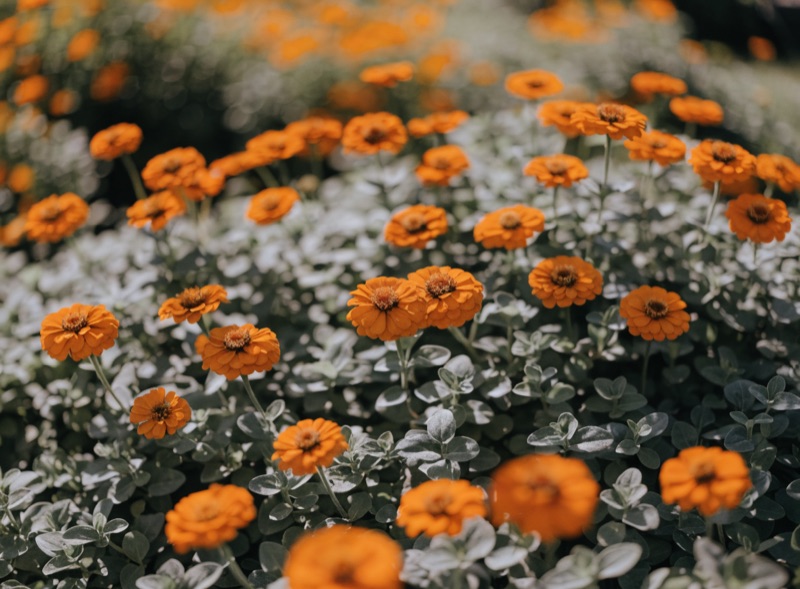
Pusa Narangi Gainda
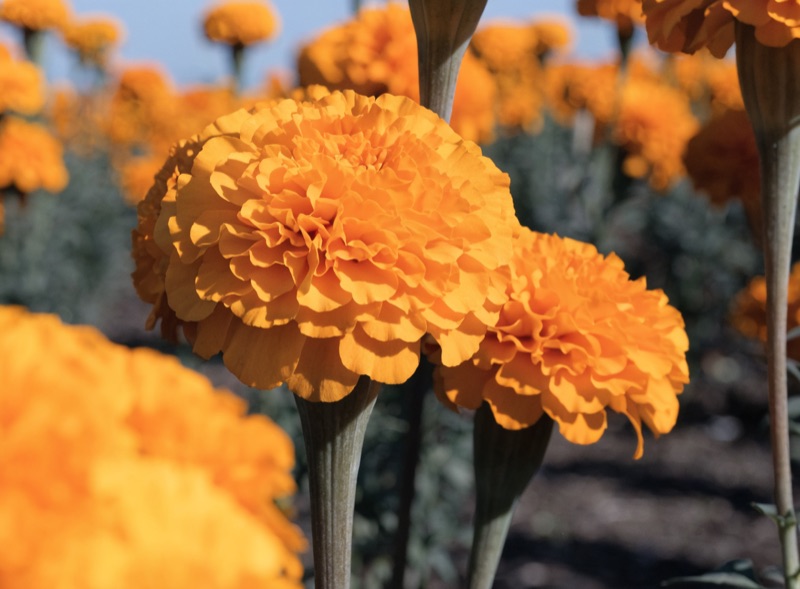
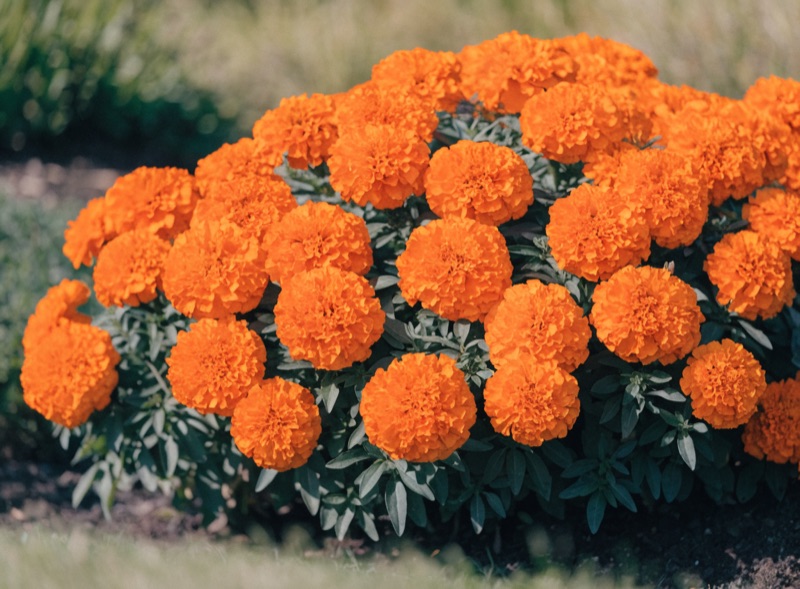
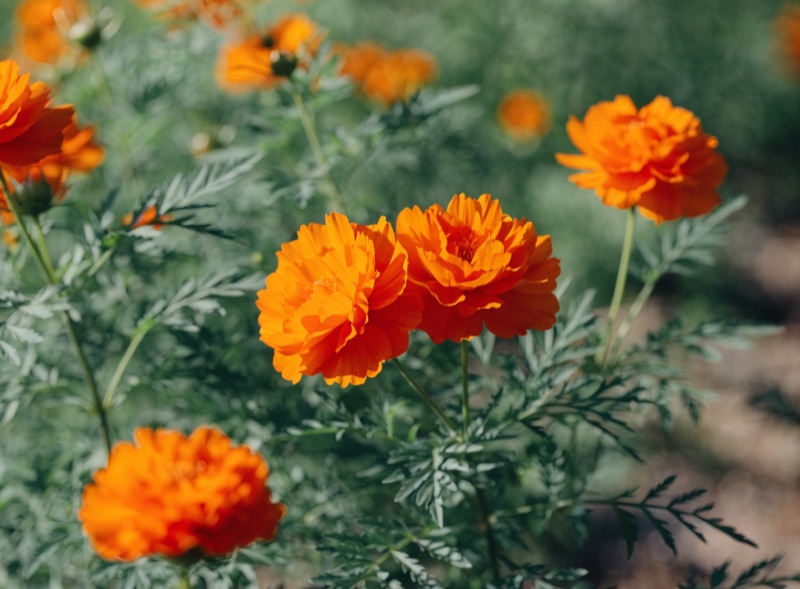
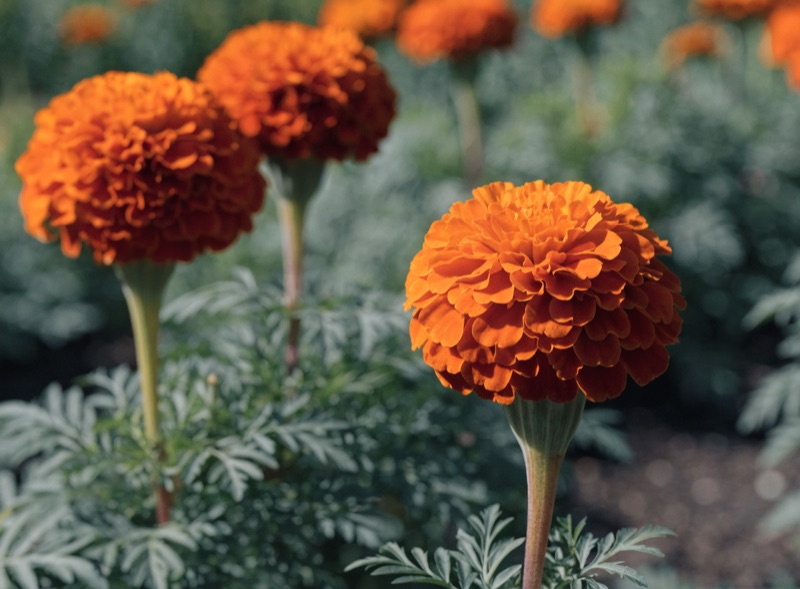
An African marigold released by IARI and still the benchmark for loose-flower growers. Carries large, tightly double orange heads on strong upright stems that stand up to picking round after round.
Named flower varieties
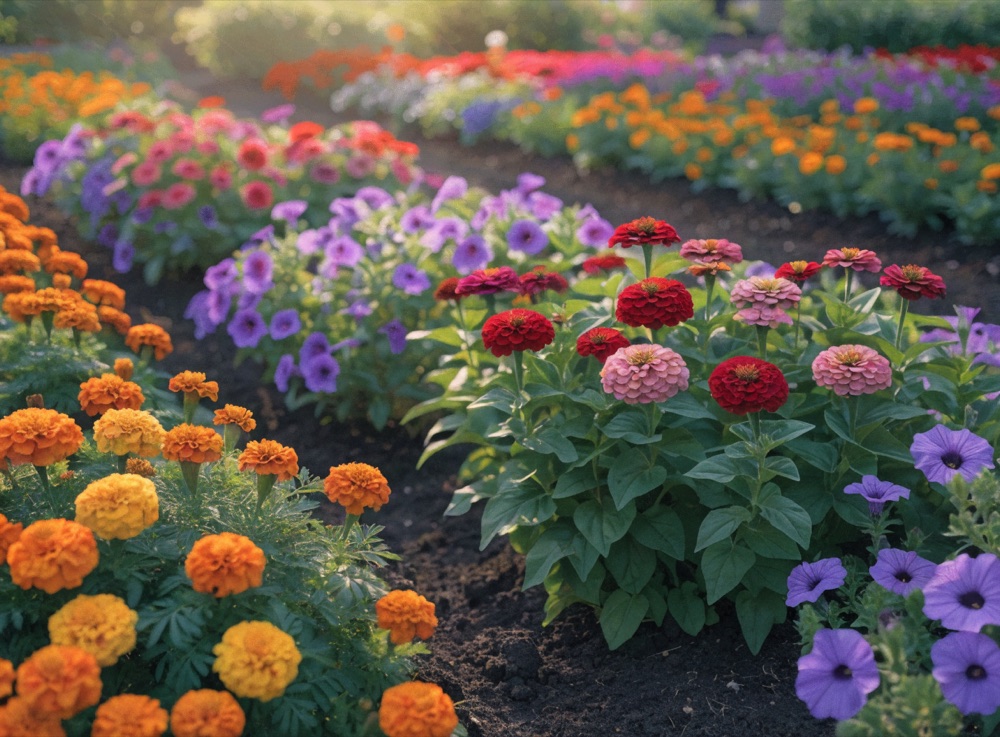
Named ornamental varieties — the same seed stock nurseries and cut-flower growers sow — packed for beds, borders, pots, balcony boxes and cutting rows.
72 varieties across 34 flowers
Browse by flower
10 varieties
An African marigold released by IARI and still the benchmark for loose-flower growers. Carries large, tightly double orange heads on strong upright stems that stand up to picking round after round.
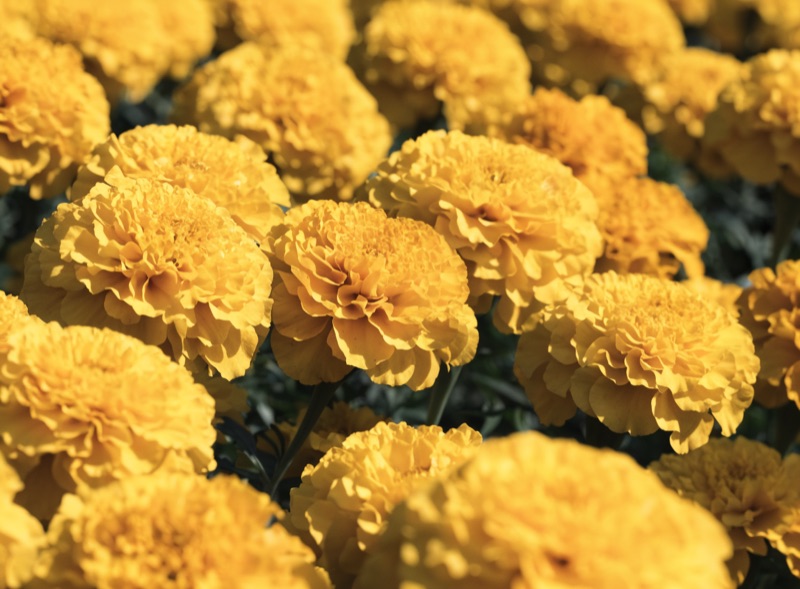
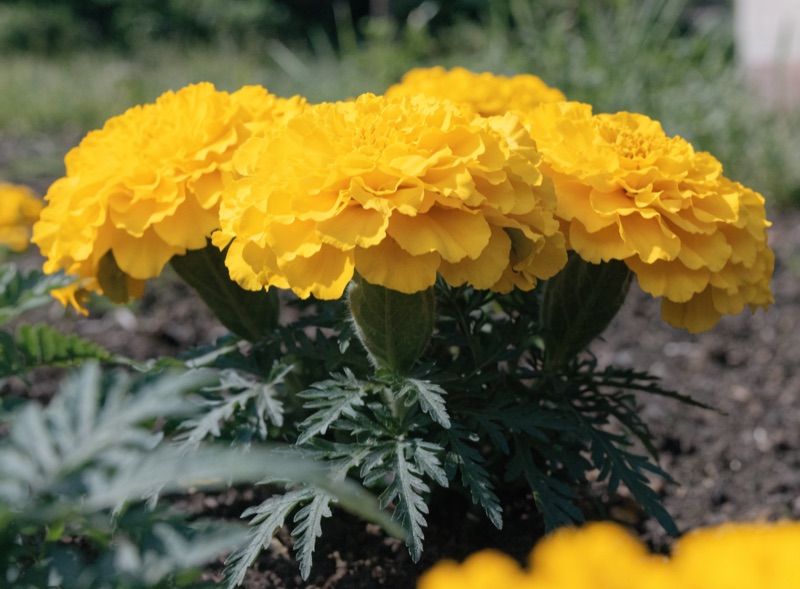
The yellow counterpart to Pusa Narangi, bred at IARI for the same heavy loose-flower yield. Even flowering makes it easy to harvest in batches for the festival market.
An IIHR African marigold selected for a high carotenoid content, which makes it a favourite where flowers are sold by weight rather than by stem.
A later IIHR release with a tighter flowering window than the original Bangara, so the crop can be cleared in fewer pickings.
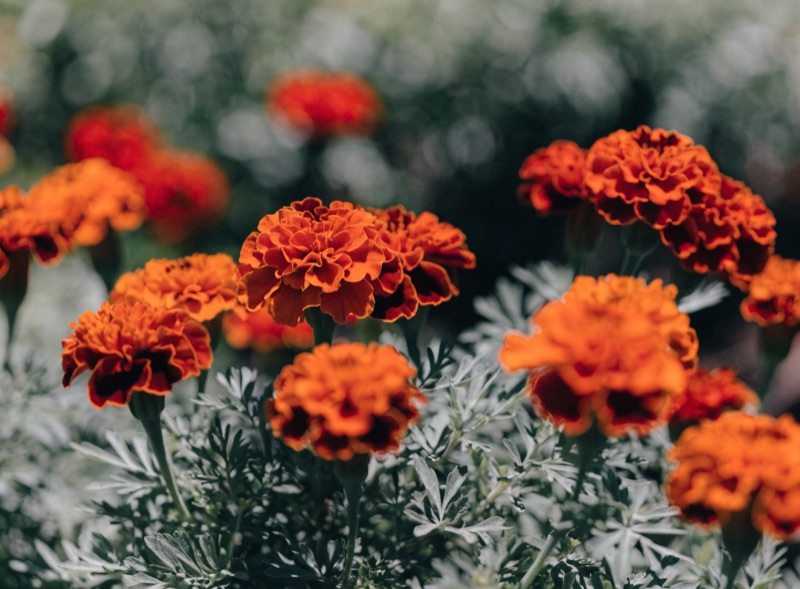
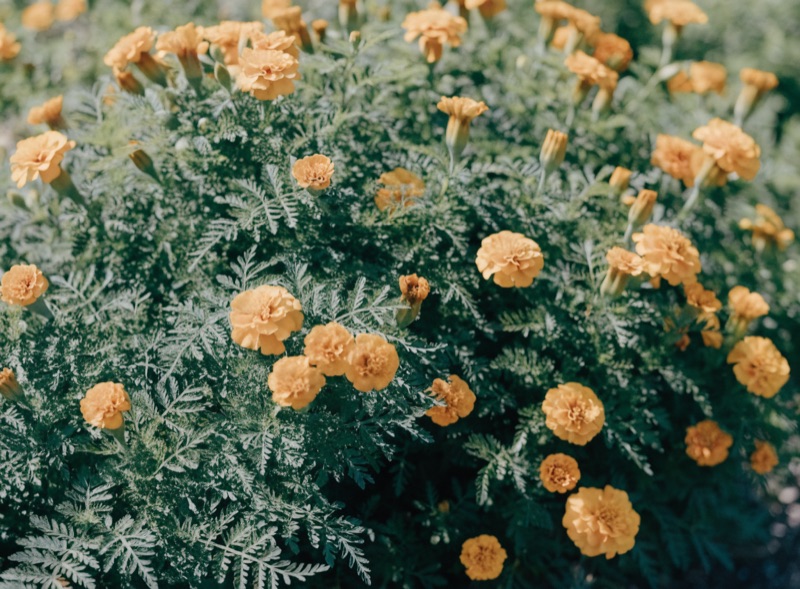
A French marigold from IIHR with fiery orange-red heads on a compact bush. Neat enough for a border edge and free-flowering in pots.
A compact French marigold carrying honey-gold double heads in heavy flushes. Holds its shape without staking through the winter season.
An F1 African marigold bred for landscape uniformity. Large fully double heads sit on a short, self-supporting plant, so a bed comes into colour all at once.
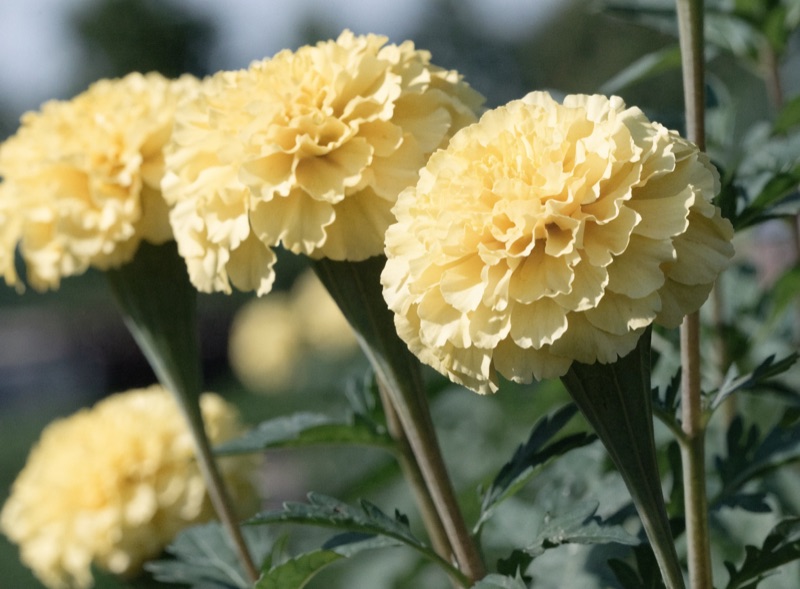
The yellow Inca, matched to Inca Orange in height and timing so the two can be block-planted together without one running ahead.
6 varieties
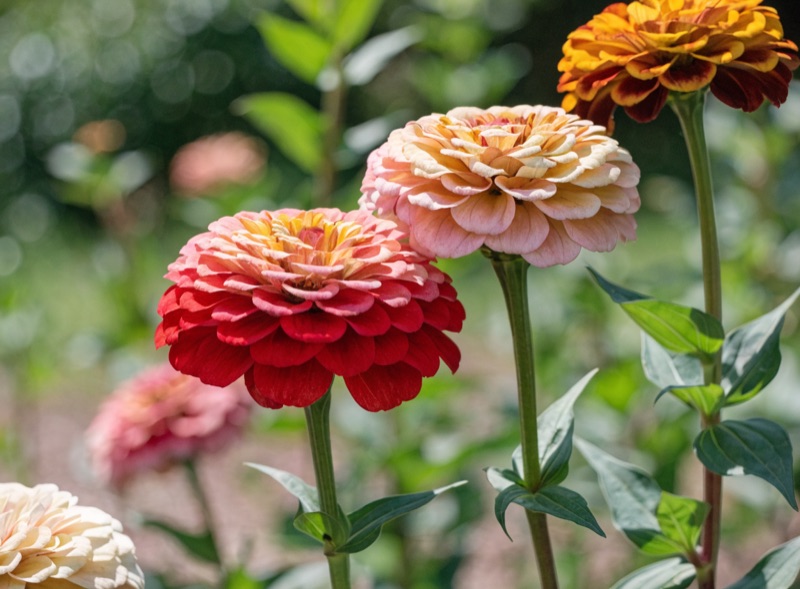
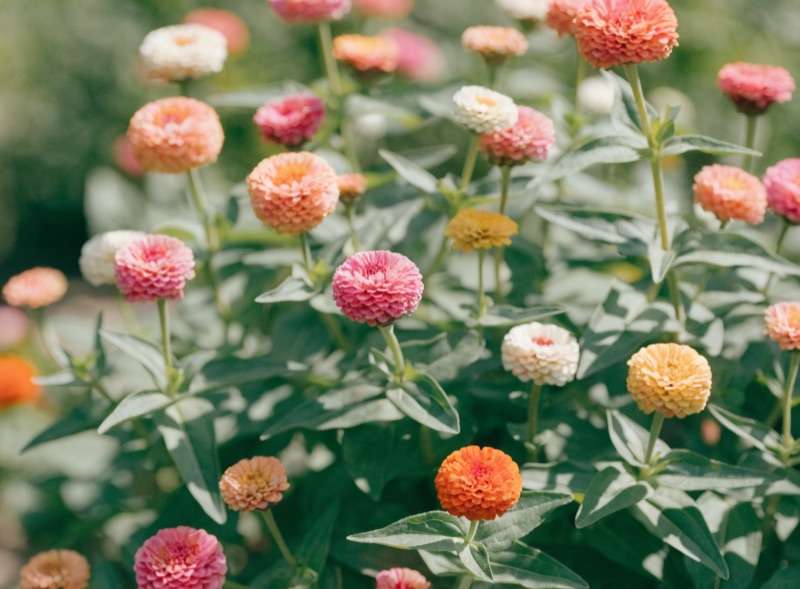
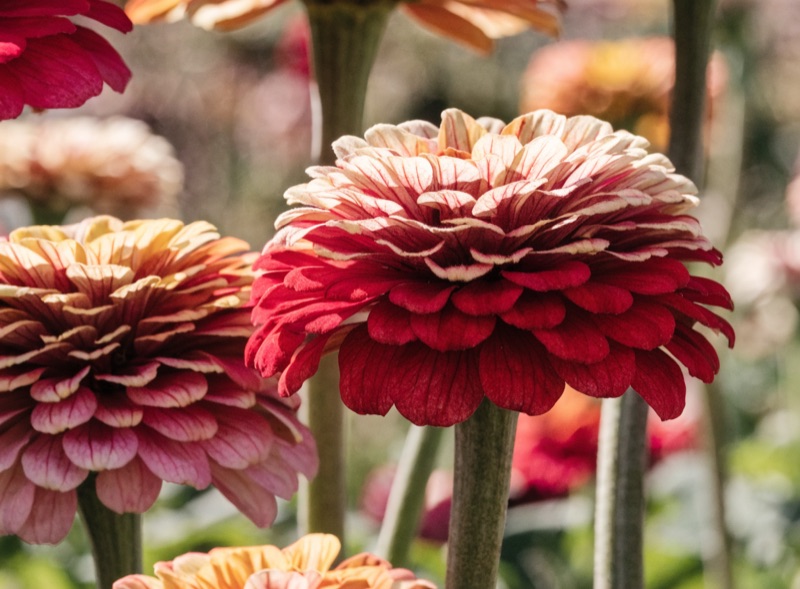
Broad dahlia-like double heads across the full colour range. The tall stems cut well and keep flowering as long as the plants are picked over.
Small, tightly formed pompon heads on a bushy plant. The most forgiving zinnia for a first-time grower and very heavy flowering.
The tallest of the garden zinnias, grown for long straight stems and heads that can reach ten centimetres across. Best given some shelter from wind.
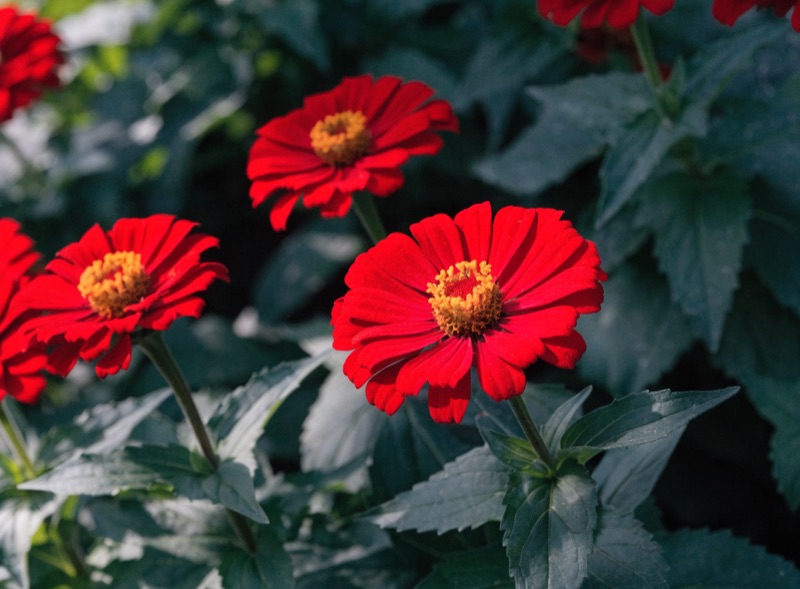
A compact interspecific zinnia bred for disease tolerance in humid weather, where garden zinnias usually give way to mildew and leaf spot.
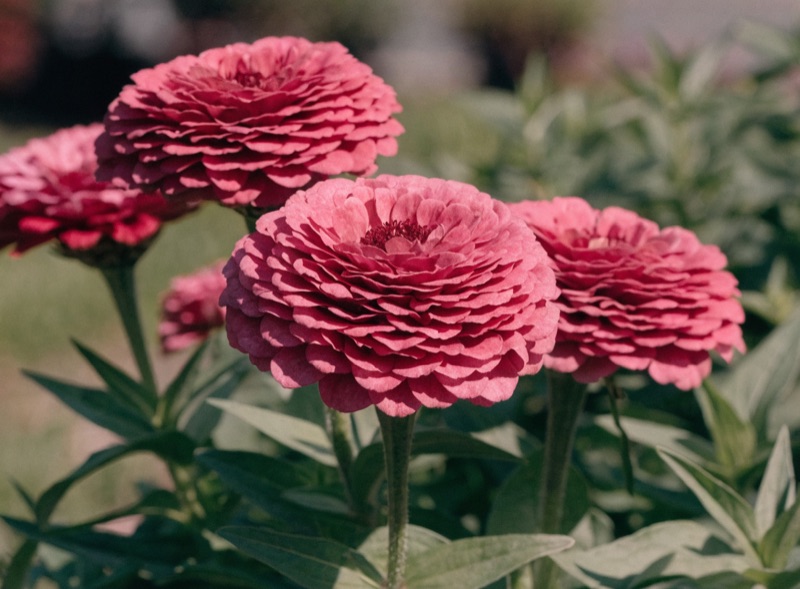
The double-flowered Zahara in a deep cherry rose, carrying the same humidity tolerance as the single types with a fuller head.
A spreading interspecific zinnia that covers ground quickly and sheds its spent flowers cleanly, so beds stay tidy without deadheading.
5 varieties
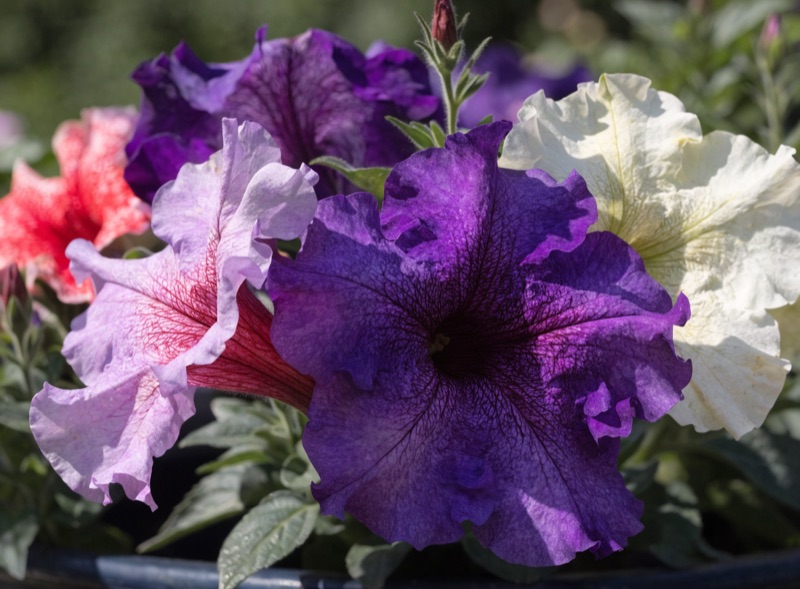
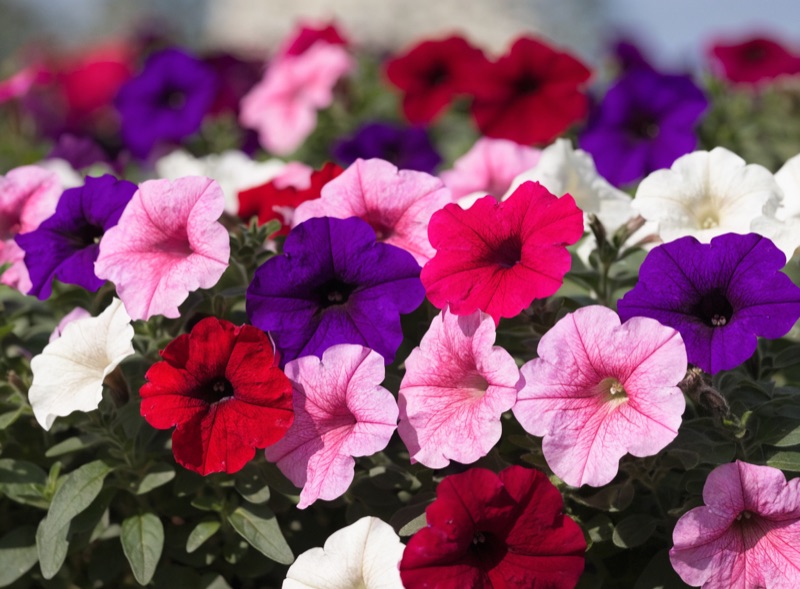
Large single trumpets across the full colour range. The biggest flowers of any bedding petunia, though they mark in heavy rain and prefer a sheltered spot.
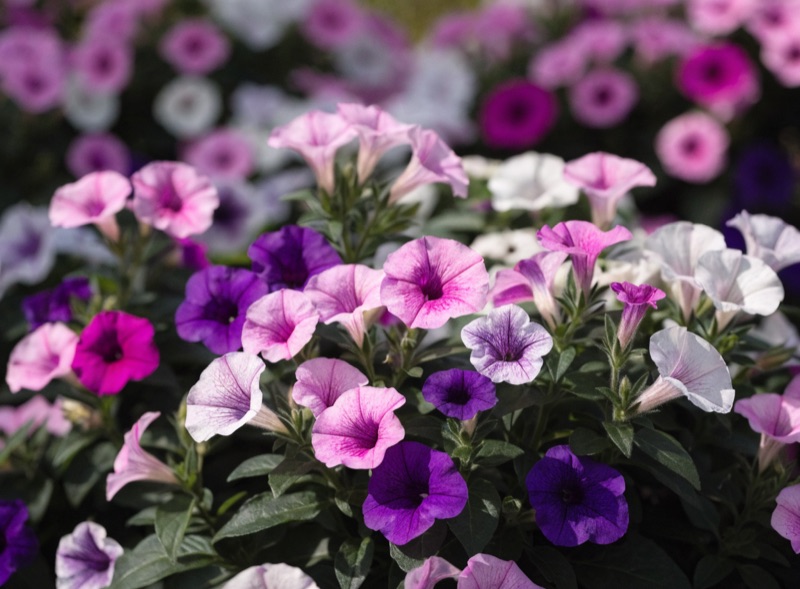
Smaller flowers than the grandifloras but far more of them, and much better able to shrug off wet weather. The safer choice for an open bed.
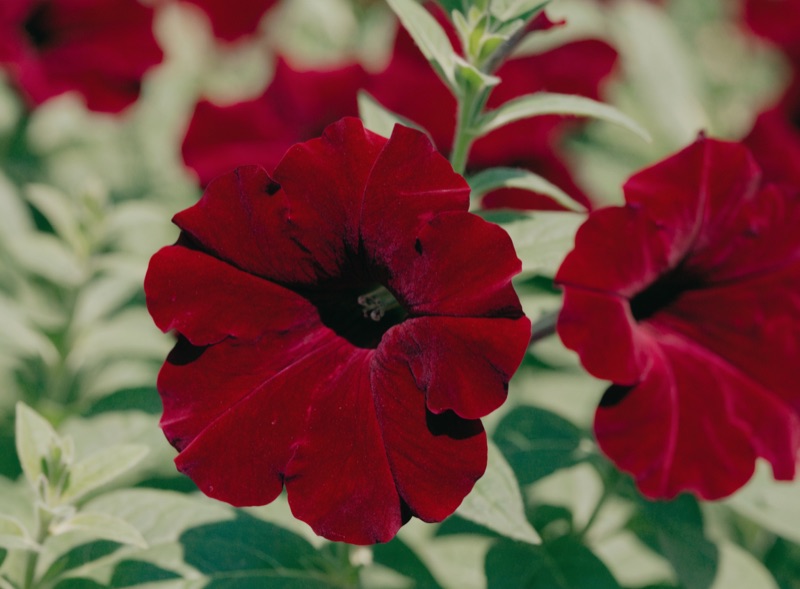
An F1 grandiflora series bred for early, even flowering. Dreams Red holds a deep velvet colour that does not fade out in strong sun.
The full Dreams colour range in one pack, matched for height and timing so a mixed planting flowers as a single sheet.
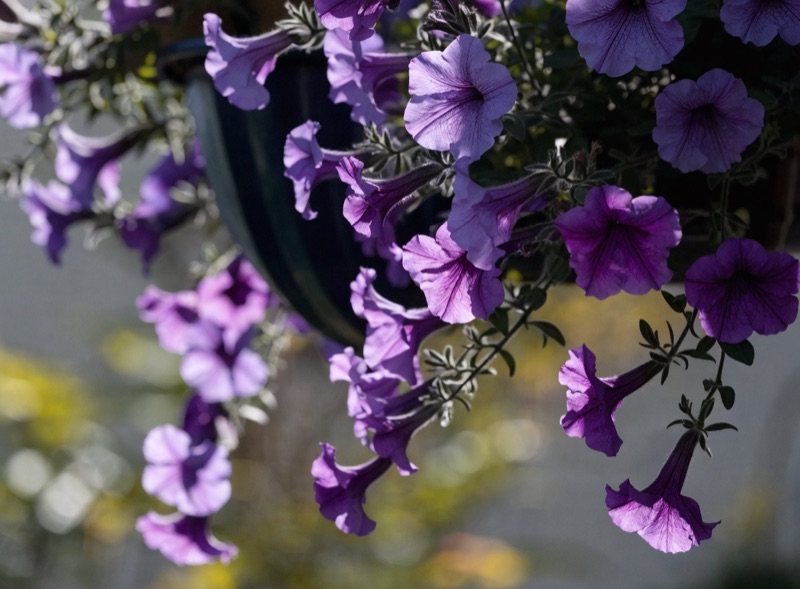
A spreading petunia that trails rather than mounds, filling a basket or running a metre across open ground from a single plant.
4 varieties
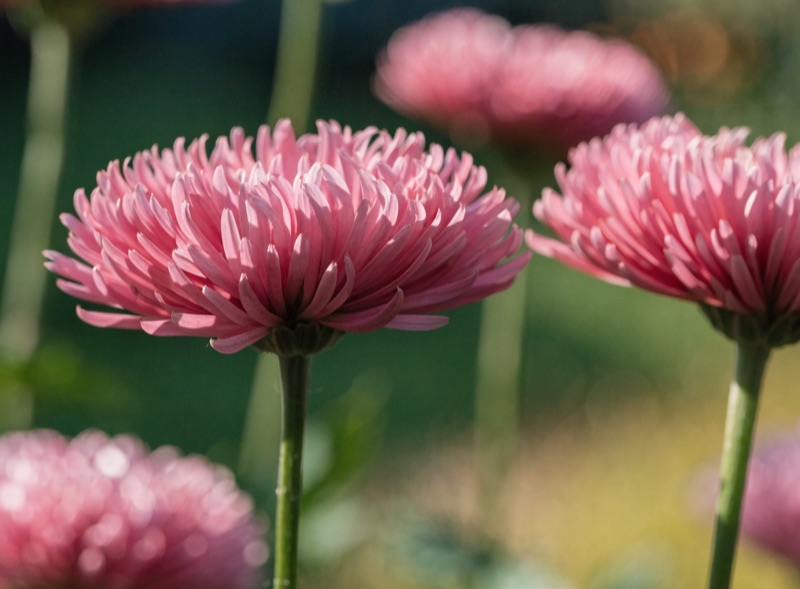
An IIHR aster with quilled rose-pink petals on a long stem, bred for the cut-flower trade and good vase life.
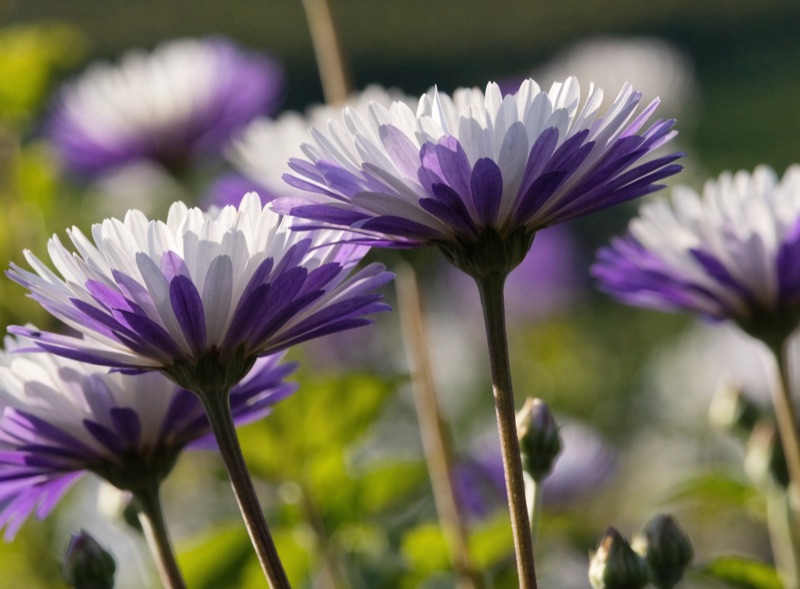
A bicolour IIHR release with a white centre shading to purple at the edge, and stems long enough to cut without stooping.
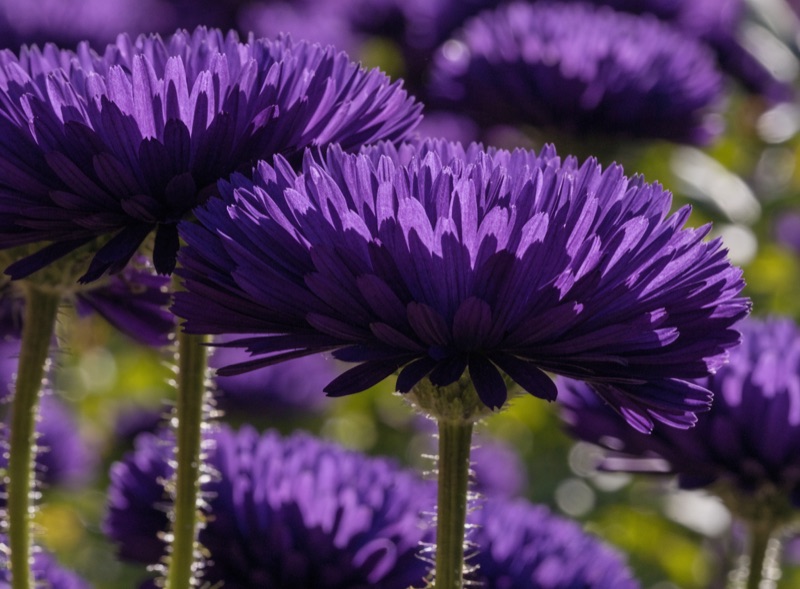
A deep purple aster from IIHR grown both for cutting and for the loose-flower trade, where colour depth is what sells.
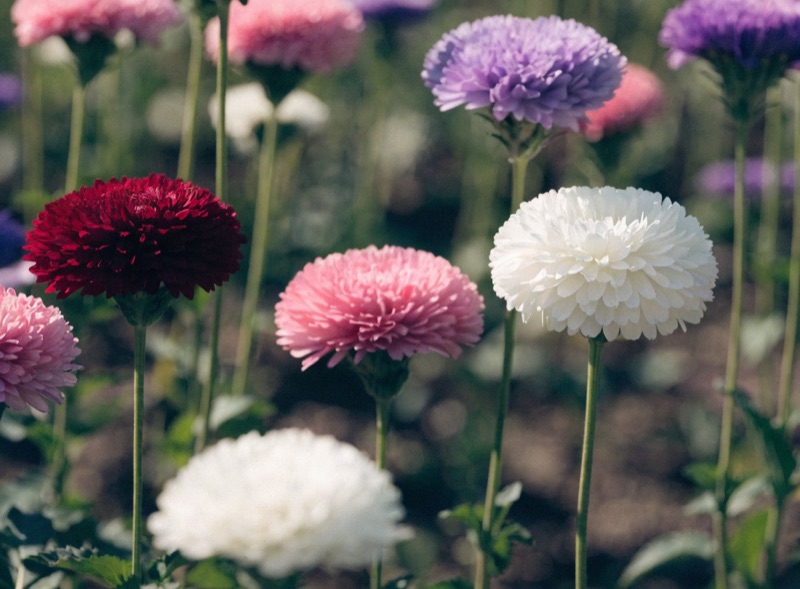
A cut-flower aster series with strong single stems and heads that hold their form for well over a week in water.
3 varieties
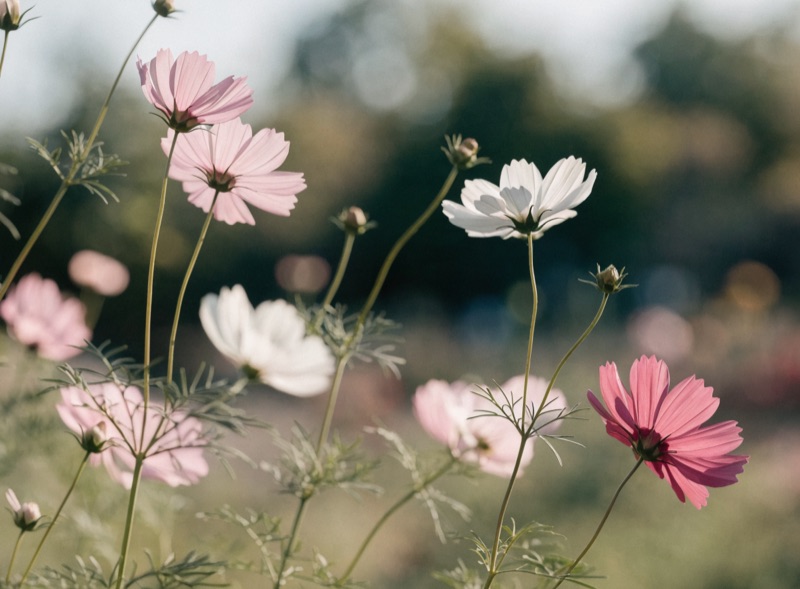
Tall, airy plants in pink, rose and white. Grows in poor soil without complaint; rich soil produces leaf at the expense of flower.
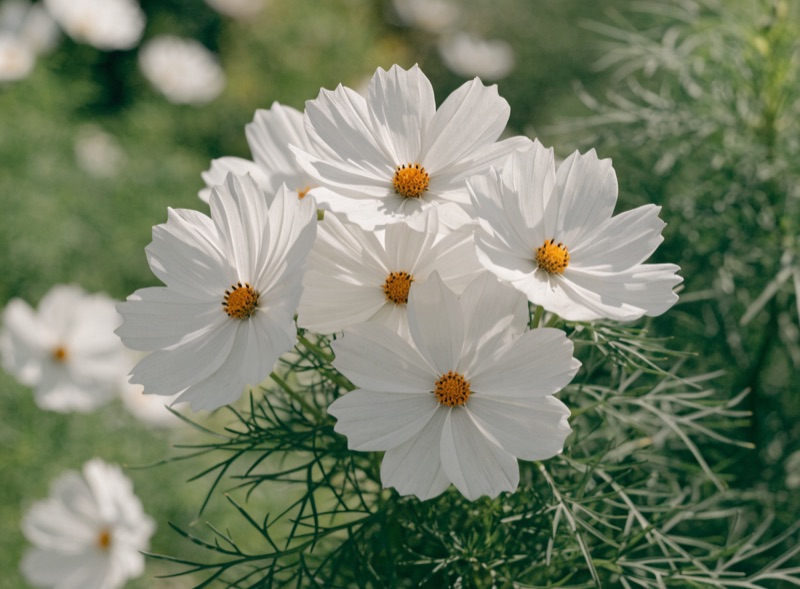
A dwarf cosmos that flowers earlier and needs no staking, in a clean white that reads well against dark foliage.
The sulphur cosmos, with semi-double orange heads and finer foliage than the Sensation types. Tolerates heat and drought well.
3 varieties
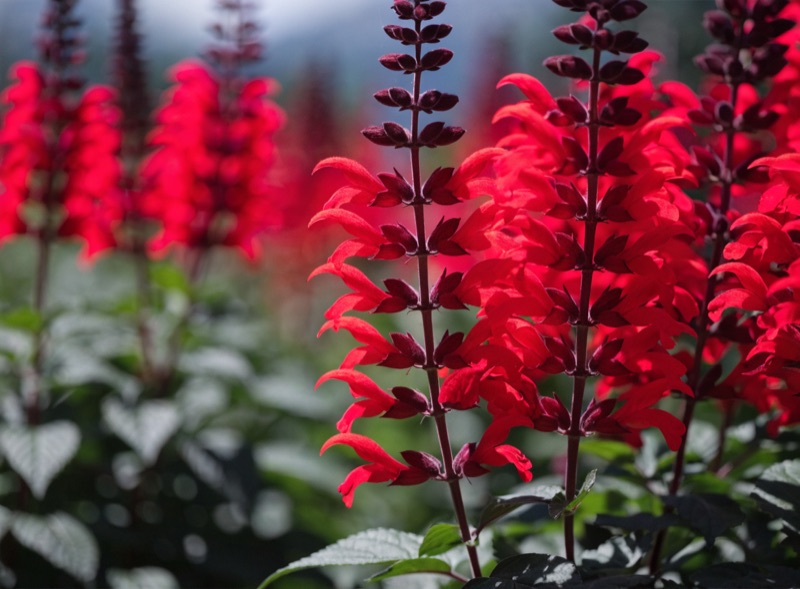
The classic scarlet bedding salvia. Upright spikes hold colour for weeks and read strongly from a distance in a mass planting.
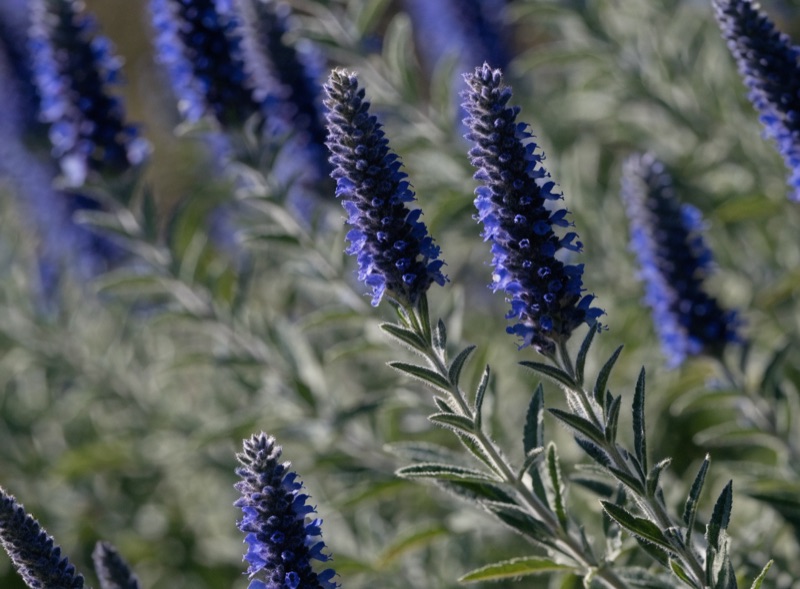
A mealycup sage with slender deep-blue spikes. Cuts and dries well, and is one of the few true blues that comes reliably from seed.
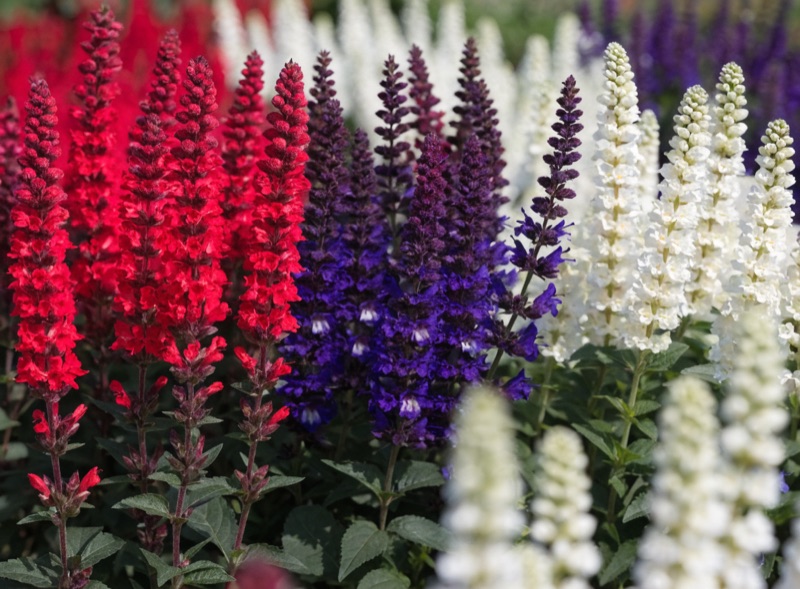
Scarlet, purple and white spikes in one pack, matched for height so the planting stays level.
Search by flower, variety name, colour or height.
Browse everything